
TPCA prevented a line stoppage with wireless motor-temperature alerts
An overheating motor can stop the fitting line of a car plant, and the whole assembly with it. For TPCA we built wireless sensors that report the temperature of the motors, so maintenance acts before one fails.

2 weeks
to develop the whole solution, the radio protocol included
3
temperature sensors on the motor housings of the line
1
line stoppage prevented by an alert during the pilot
The situation
In 2017 TPCA, a joint venture of Toyota and Groupe PSA, built Toyota, Peugeot and Citroën cars in high volumes at its plant in Ovčáry near Kolín. To deliver quality cars efficiently, it kept looking for ways to prevent faults, and it asked us for an affordable way to anticipate problems on the line.
A breakdown of the fitting line in the assembly department, such as a failed motor, disrupts the whole assembly. One cause is an overheating motor, which temperature monitoring catches in time, so TPCA chose motor temperature for its pilot IoT project. The sensors had to measure wirelessly in a harsh industrial environment, connect to TPCA’s local IT infrastructure, send data at very short intervals and run on low power. Everything had to be simple, very low in cost and installed within a short planned shutdown of the line.
What we delivered
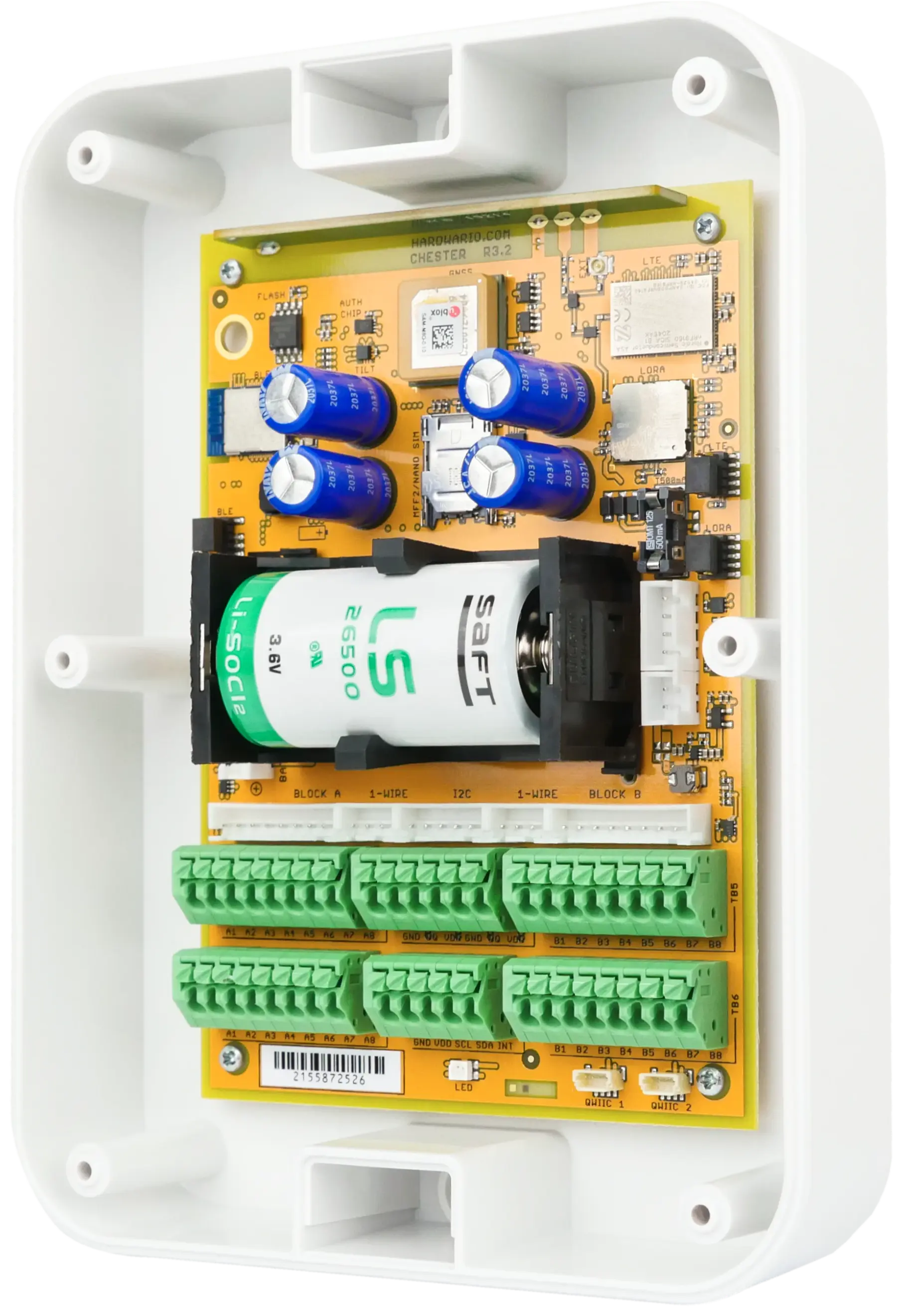
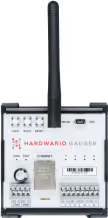
We built the solution on our modular IoT kit, which makes wireless devices easy to build and adjust and connects readily to other systems. It used a custom radio protocol in the 868 MHz band, external temperature sensors and a Raspberry Pi with a radio dongle as the gateway. TPCA’s technicians fixed three sensors to the motor housings without touching the motors.
On ordinary alkaline batteries, the sensors send the temperature at very short intervals to the gateway, which forwards it over the LAN to Grafana. When a temperature crosses its threshold, maintenance gets an email, inspects the motor and acts before it fails. Developing the whole solution, the radio protocol included, took two weeks.
A line stoppage prevented
During the pilot, a timely alert to maintenance prevented a line stoppage and saved several hundred thousand crowns. TPCA confirmed that IoT makes sense in predictive maintenance even on a lightweight kit, and valued most the very short implementation time and the low cost.
“With the modules, we were able to set up our own little piece of Industry 4.0 in just a few days. And it saved us both time and money,” says Marek Herda, IT Specialist for Industry 4.0 and security projects at TPCA.