Statotest monitors bridges and buildings with CHESTER and its own firmware
Statotest builds online monitoring for bridges, retaining walls and other structures. Its sensors measure displacement, vibration and tilt. CHESTER reads them on site, on firmware Statotest writes itself.
24
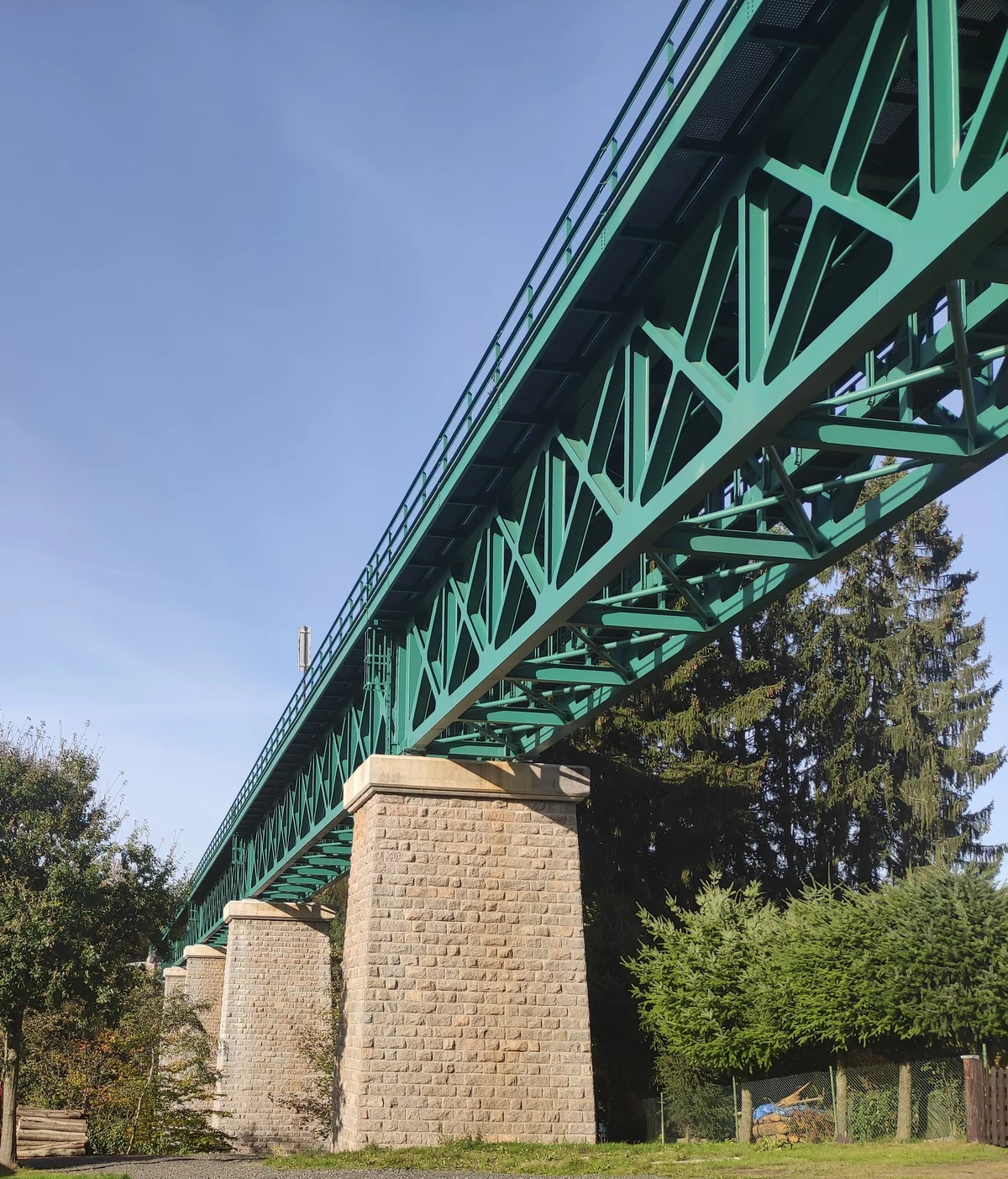
strain gauges and dilatometers on the Vilémov railway bridge
9
CHESTER units in the roof and tower of the Česká Lípa town hall
3
CHESTER units watching cracks in the Liberec swimming pool
The situation
Bridges, retaining walls and large buildings carry constant load and weather. Checking them by hand is expensive, and between visits a change goes unseen.
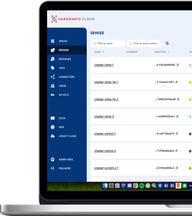
Statotest’s sensors on such structures send their data to the cloud, where anomalies show early, before they threaten the structure or the people who use it.
What we delivered
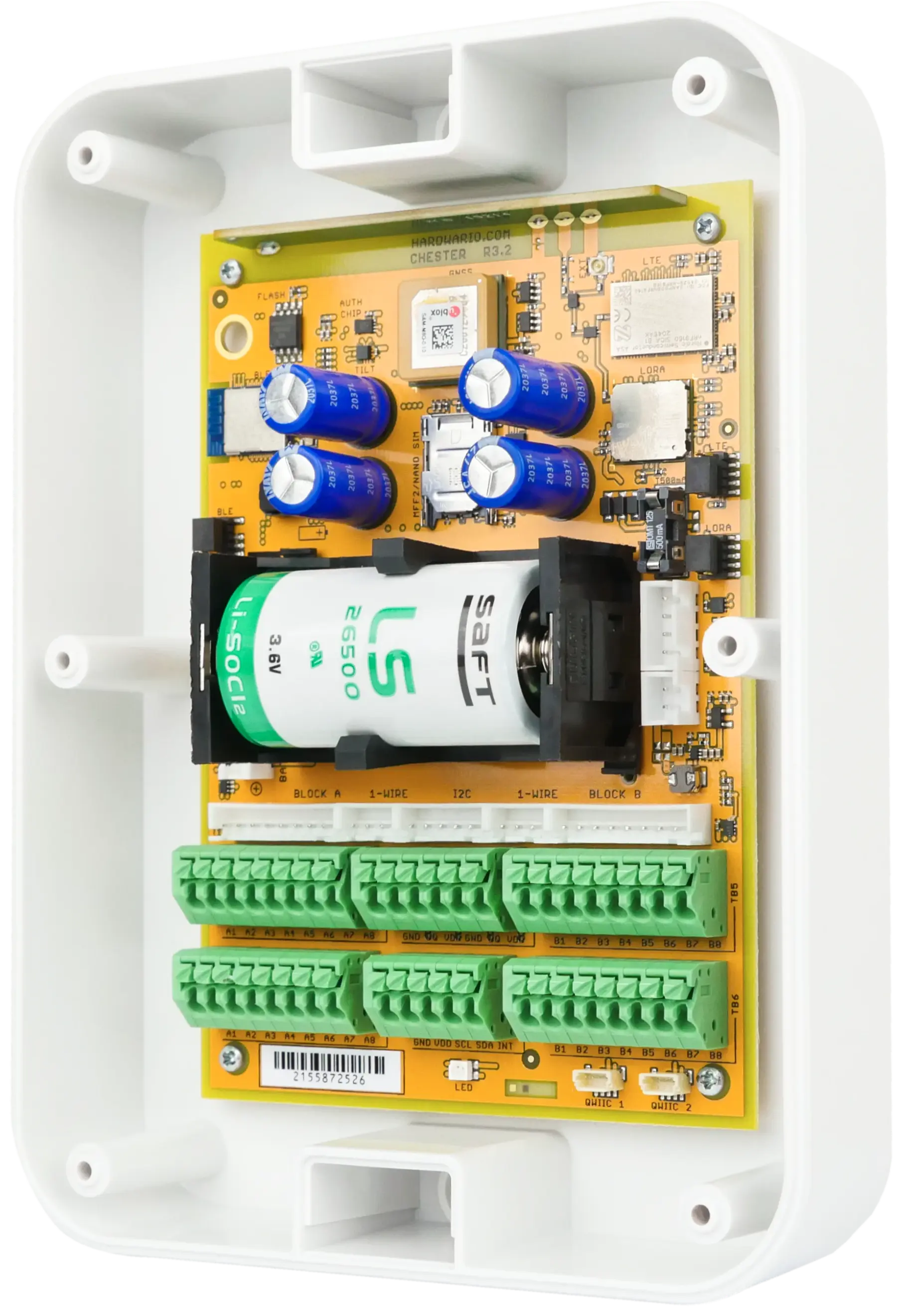
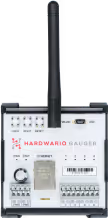
Statotest connects its sensors to CHESTER, our IoT device, which runs on batteries and is built for harsh conditions. Statotest writes the firmware itself on the open CHESTER SDK, and we support its firmware development. Statotest is based in Liberec, in the north of the Czech Republic, as we are, and the short distance makes the work together easy.
“Our sensors deliver precise data on structural conditions, and in combination with the CHESTER platform, that data takes on an entirely new dimension,” says Petr Klokočník, CEO of Statotest.
A swimming pool, a town hall and a bridge
Before its reconstruction, the Liberec swimming pool had cracks in its concrete and supporting columns that moved. Three CHESTER units measure there permanently. The data is evaluated in the cloud, and the staff get an automatic alert when a problem appears.
Insects and fungi damaged the roof trusses of the medieval town hall in Česká Lípa. Nobody knew how far the damage went, so permanent monitoring was prescribed. Six CHESTER units measure temperature and humidity in the roof and three more watch the movement of the supports and the tower. Alerts go out by SMS and email.
At Vilémov near Šluknov a railway bridge was replaced in 2020 and 2021. Its owner commissioned the Czech Technical University in Prague to monitor it for five years. Dilatometers at the expansion joints and strain gauges in both tracks, 12 of each, are read by six CHESTER units with paired thermometers.


