
Forest Research measures tree growth and climate in British forests with CHESTER
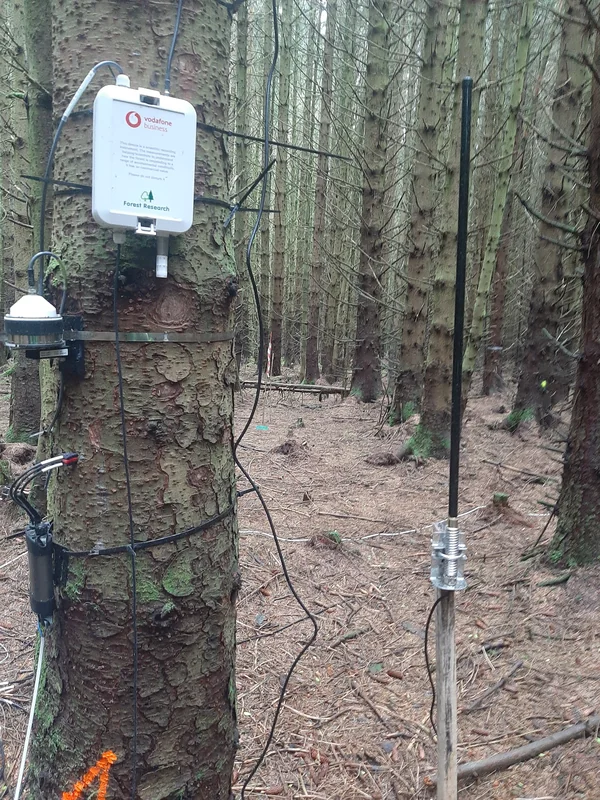
Forest Research studies how the climate affects the growth of trees across Great Britain. CHESTER units on the trunks measure the air, the soil and the growth of the tree on batteries and send every reading over Vodafone’s NB-IoT network, so the data no longer waits for a site visit.
About 50
forests across Great Britain where Forest Research measures the climate
6
values measured at each tree, from soil moisture to the width of the trunk
3
ways the researchers get the data: Grafana, REST API and CSV exports
The situation
Forest Research is the research agency of the Forestry Commission and part of the UK’s Department for Environment, Food & Rural Affairs (Defra). It measures the climate in about 50 forests across Great Britain to learn how fast trees grow, what drives their growth, what summer heatwaves do to it and how it differs between microclimates, regions and species.
The data used to be collected by hand onto a storage medium at each site, which was costly and left it days old. Weather stations need mains power, so measurements were taken only at the few places with electricity, and nobody measured the growth of the trunks.
What we delivered
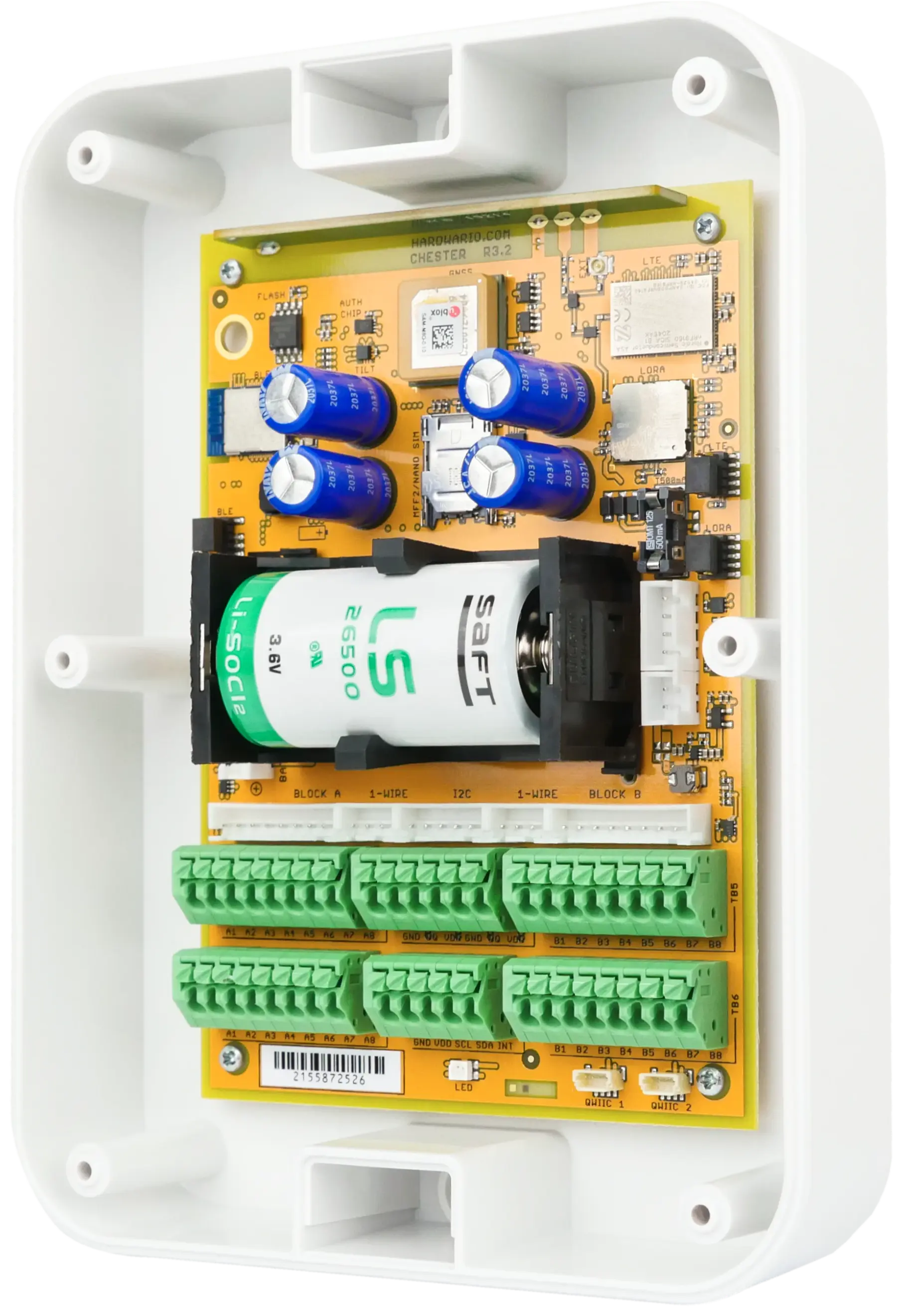
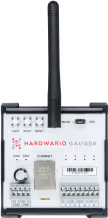
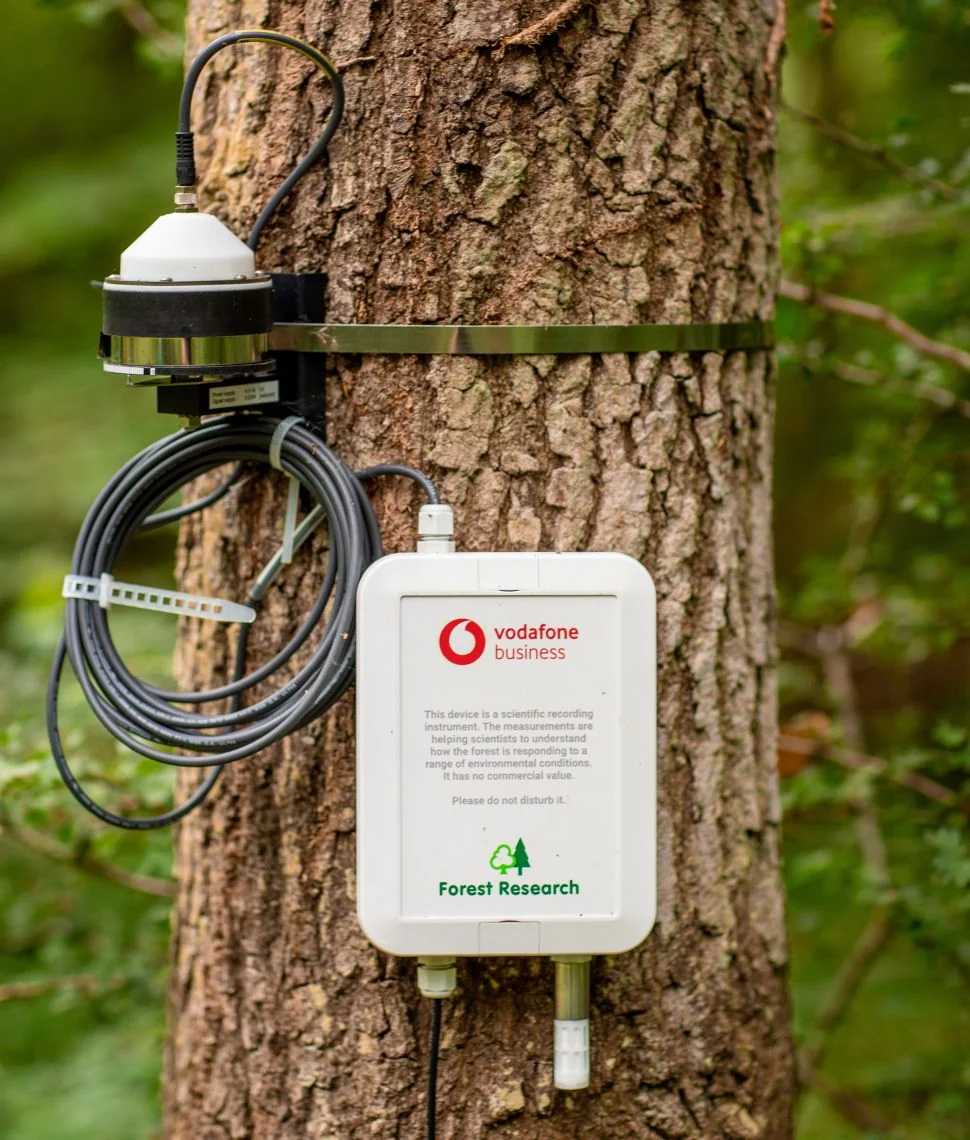
Vodafone UK, our technology partner, brought the project to us. We fitted CHESTER, our IoT device with its own thermometer, accelerometer and GPS, with an external temperature and humidity sensor, our capacitive soil-moisture sensor and a dendrometer from the Czech company EMS Brno, which measures the width of the trunk. Each unit reports air temperature and humidity, soil moisture, trunk width, its GPS position and any shock or tilt of the tree.
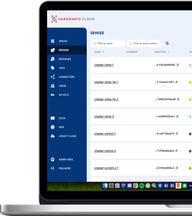
CHESTER draws little power and NB-IoT is made for such devices, so the units run on batteries and can go on any tree of interest. The readings travel over Vodafone’s NB-IoT network to HARDWARIO Cloud and on to the researchers in Grafana, through the REST API and in regular CSV exports. Vodafone UK used the project to test its NB-IoT coverage at the sites.
Data without a site visit
Forest Research now gets climate data from its forests online. It can study how changing conditions affect tree growth over time and compare microclimates, regions and species. The units send data for months and years without a power socket.
“This project has the potential to significantly streamline how we collect and analyze data, and to gather far more of it from sites we couldn’t easily reach before,” says Dr Matthew Wilkinson of Forest Research.