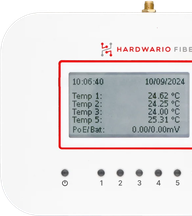
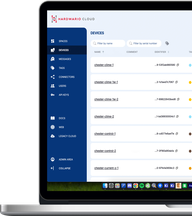
Build Monitoring That Reaches the Field.
HARDWARIO supplies field-ready devices and cellular or LoRaWAN connectivity. Your integration team owns the customer workflow, application, data, and rollout.
Common challenges
Post-harvest grain spoilage destroying stored crop value
No early warning for temperature spikes in silos
Livestock losses from undetected environmental stress
Remote facilities with no connectivity or power grid
Manual inspections that miss critical changes between visits
Extreme weather conditions that break standard equipment
A storage problem discovered late is already a margin problem.
Agriculture buyers need to see how quickly monitoring pays back: fewer field visits, earlier alerts, and less crop or livestock risk.
Review your projectSpoilage moves faster than inspections
Manual silo checks can miss the first temperature and humidity changes. Remote alerts catch conditions before stored crop value is lost.
Remote sites hide operational risk
Fields, bins, barns, and water infrastructure often lack grid power, Wi-Fi, or routine access. Blind spots turn small anomalies into expensive events.
Seasonal windows are unforgiving
Harvest, storage, frost, and irrigation decisions happen on tight timelines. Delayed data can mean missed action windows and avoidable losses.
How We Help
Grain Storage Monitoring
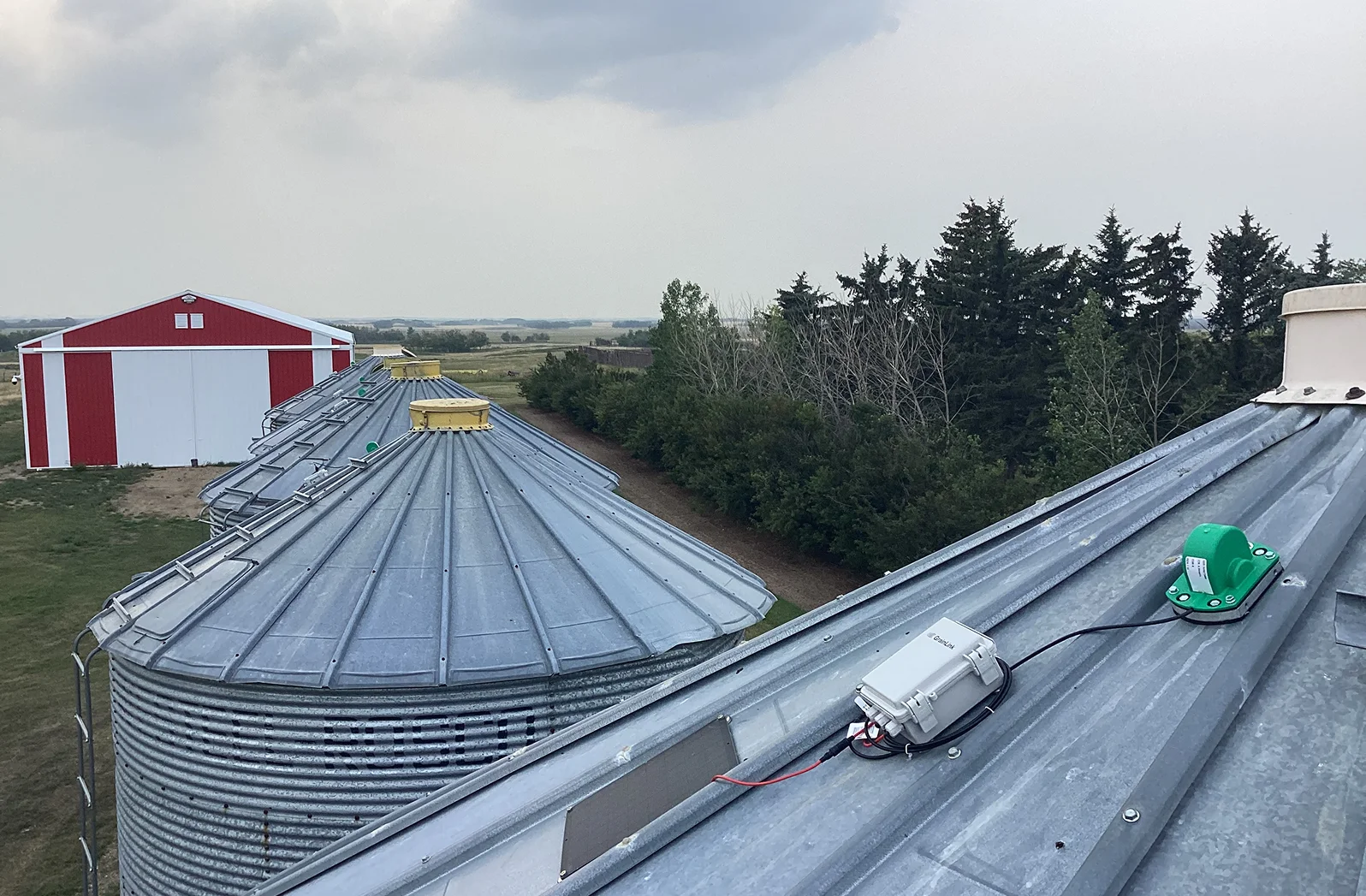
Collect temperature and humidity across silo networks and surface changing conditions in the partner-owned application. GrainLink has deployed 1,000+ systems in North America.
Livestock Environment Monitoring
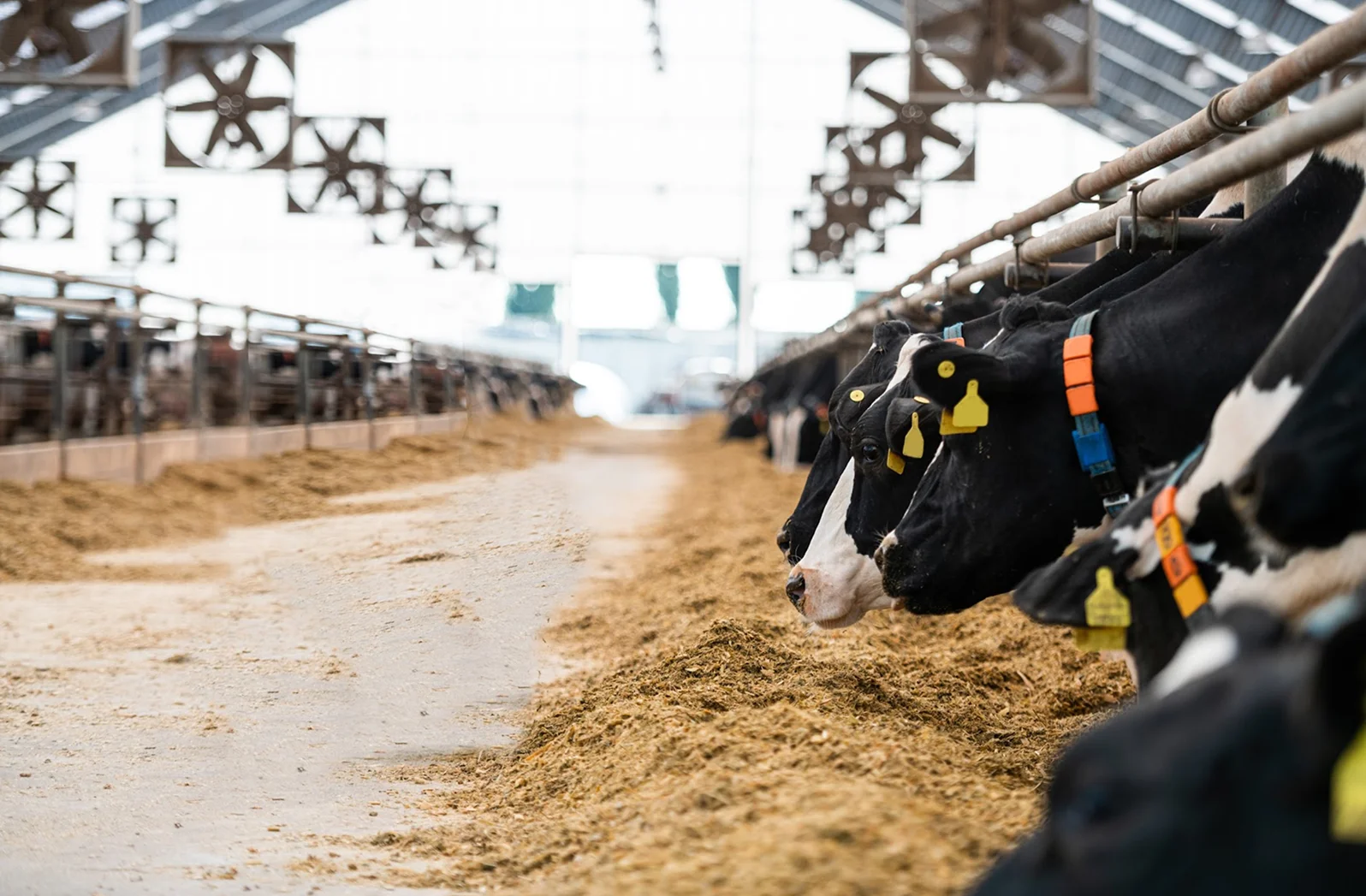
Collect barn temperature, humidity, CO₂, and ammonia readings for the limits, alerts, and livestock workflow defined in the partner-owned application.
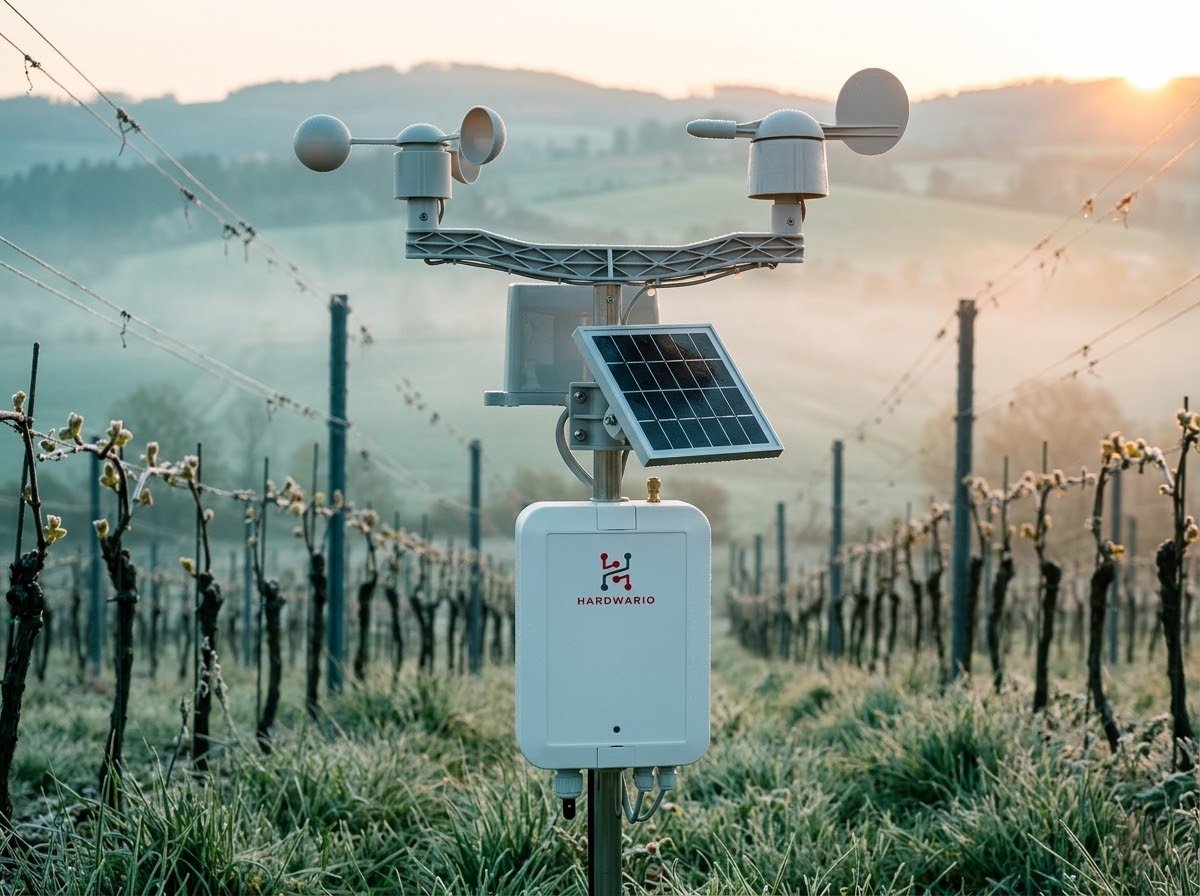
Weather & Frost Warning
Collect local weather and microclimate data that the partner-owned application evaluates against customer-defined frost and drought thresholds.
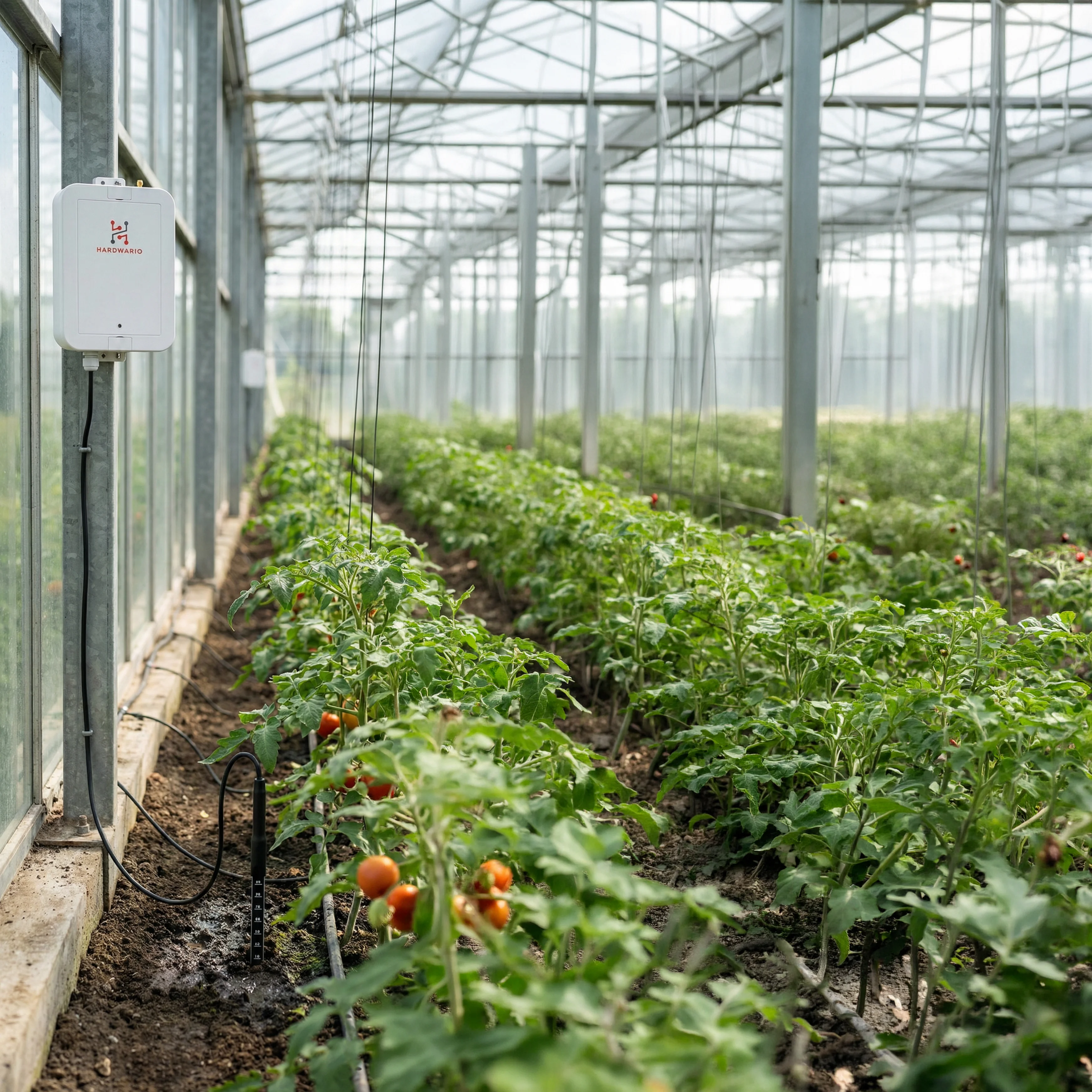
Irrigation & Soil Monitoring
Supply soil-moisture and irrigation signals to control or decision logic that the integration team designs and validates for the crop, site, and operating rules.
Grain Storage Monitoring
Collect temperature and humidity across silo networks and surface changing conditions in the partner-owned application. GrainLink has deployed 1,000+ systems in North America.
Livestock Environment Monitoring
Collect barn temperature, humidity, CO₂, and ammonia readings for the limits, alerts, and livestock workflow defined in the partner-owned application.
Weather & Frost Warning
Collect local weather and microclimate data that the partner-owned application evaluates against customer-defined frost and drought thresholds.
Irrigation & Soil Monitoring
Supply soil-moisture and irrigation signals to control or decision logic that the integration team designs and validates for the crop, site, and operating rules.
Your agriculture solution on a field-ready foundation.
You define the customer workflow and data destination. HARDWARIO supplies configurable field devices, connectivity choices, open integration paths, and production support.
Pick the loss point to monitor first
Choose the customer problem, success measure, system boundary, and application before selecting the first field configuration.
Install rugged sensing at the asset
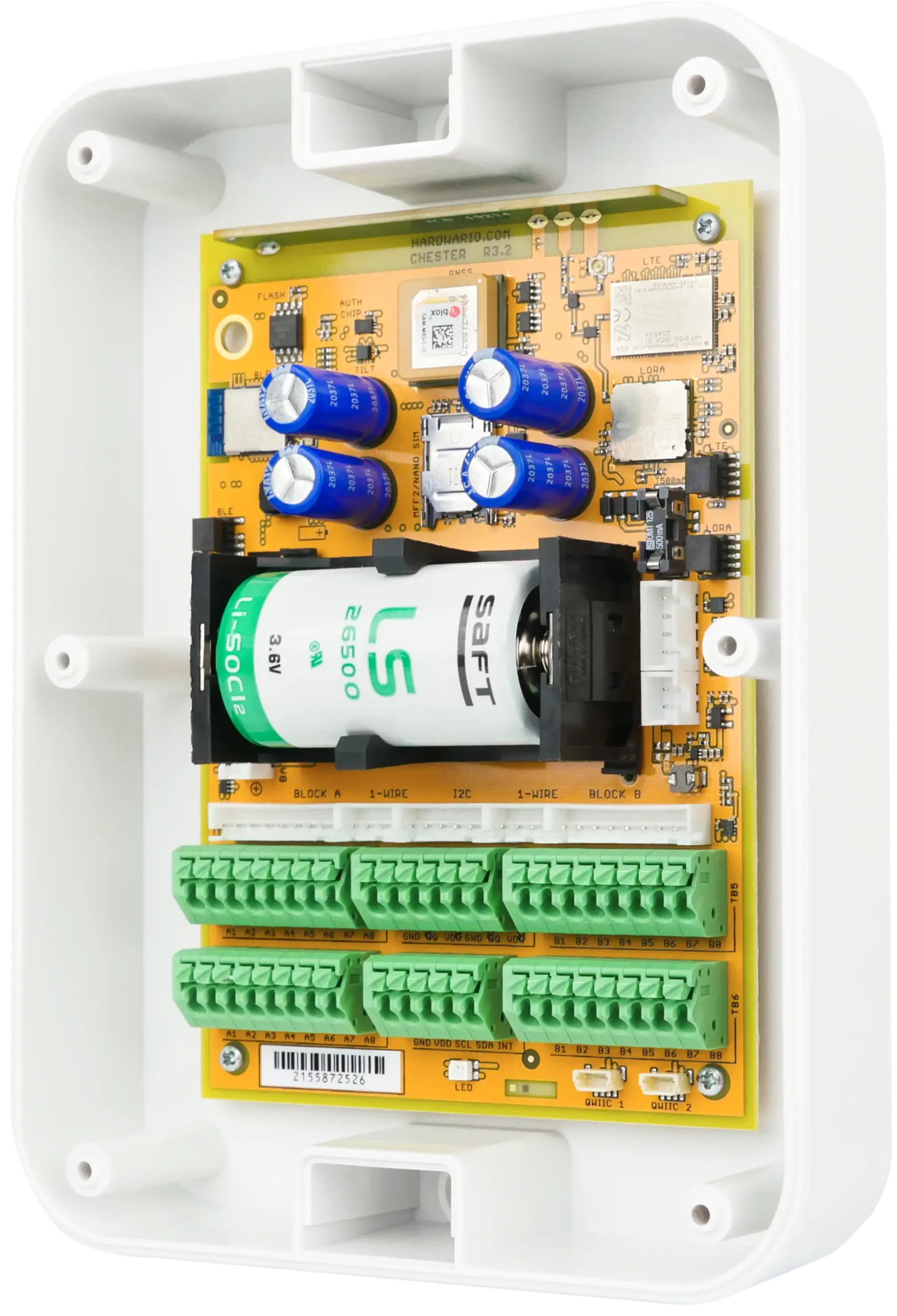
Deploy battery or solar-powered CHESTER units on silos, barns, tanks, poles, and remote equipment with sensor inputs matched to the use case.
Cover remote locations
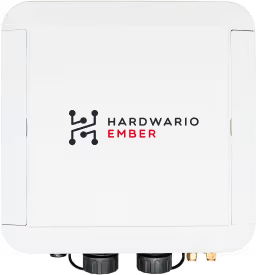
Connect CHESTER over LTE-M, NB-IoT, or LoRaWAN; add EMBER where you operate a private LoRaWAN network with Ethernet or LTE backhaul.
Turn readings into action
Deliver readings to the farm workflow you own. Where HARDWARIO Cloud fits, use its REST API, webhooks, and data export as an integration layer.
Lead with deployed evidence, not abstract IoT promises.
Agriculture buyers care about whether the system survives weather, scale, and seasonal urgency.
systems deployed
GrainLink deployments across North America prove the monitoring model at commercial scale.
named deployment
A partner-owned grain monitoring application built on CHESTER hardware.
field connectivity paths
LTE-M, NB-IoT, and LoRaWAN let integrators match connectivity to the site.
Results buyers can verify
Grain storage visibility across remote silos
- Before
- Farmers relied on manual silo checks and had limited warning before temperature and humidity issues could damage stored grain.
- Deployment
- CHESTER GrainLink units with multi-point temperature monitoring delivered silo condition data from remote sites into GrainLink workflows.
- Result
- The deployment scaled to commercial grain storage while giving teams earlier warnings and a repeatable rollout model.
Products for Agriculture
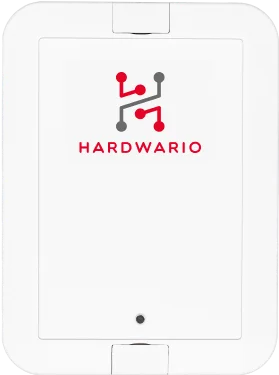
CHESTER
CHESTER is our modular industrial IoT platform with cellular IoT, LoRaWAN, and BLE connectivity. It is battery-powered for years and field-proven down to -40°C in Canadian winters.
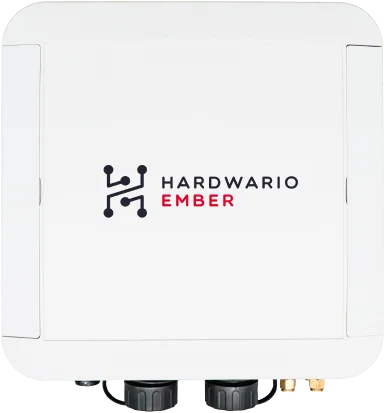
EMBER
EMBER is our rugged LoRaWAN gateway for private IoT networks. It connects hundreds of sensors indoors and outdoors, with LTE cellular and Ethernet backhaul.
STICKER
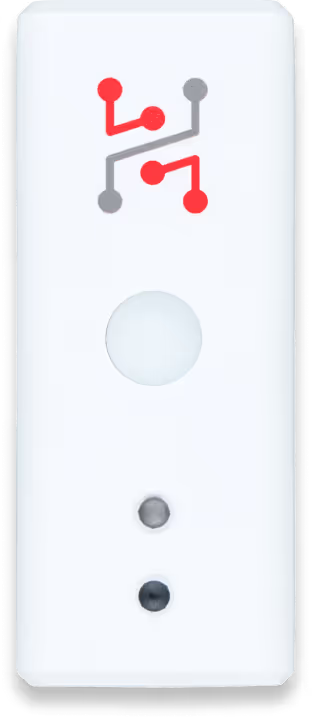
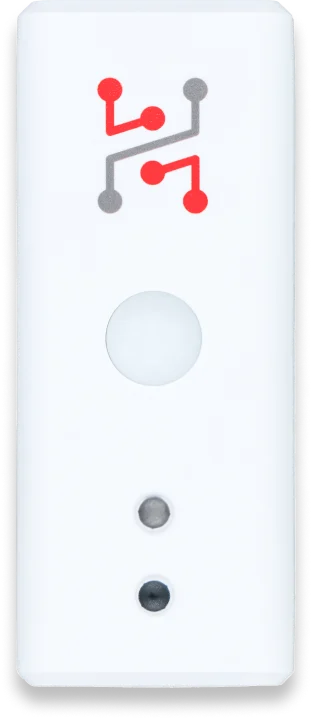
STICKER is our compact LoRaWAN sensor for environmental monitoring: built-in temperature and humidity sensing, support for external probes, and years of battery life on two AA batteries.
CLOUD
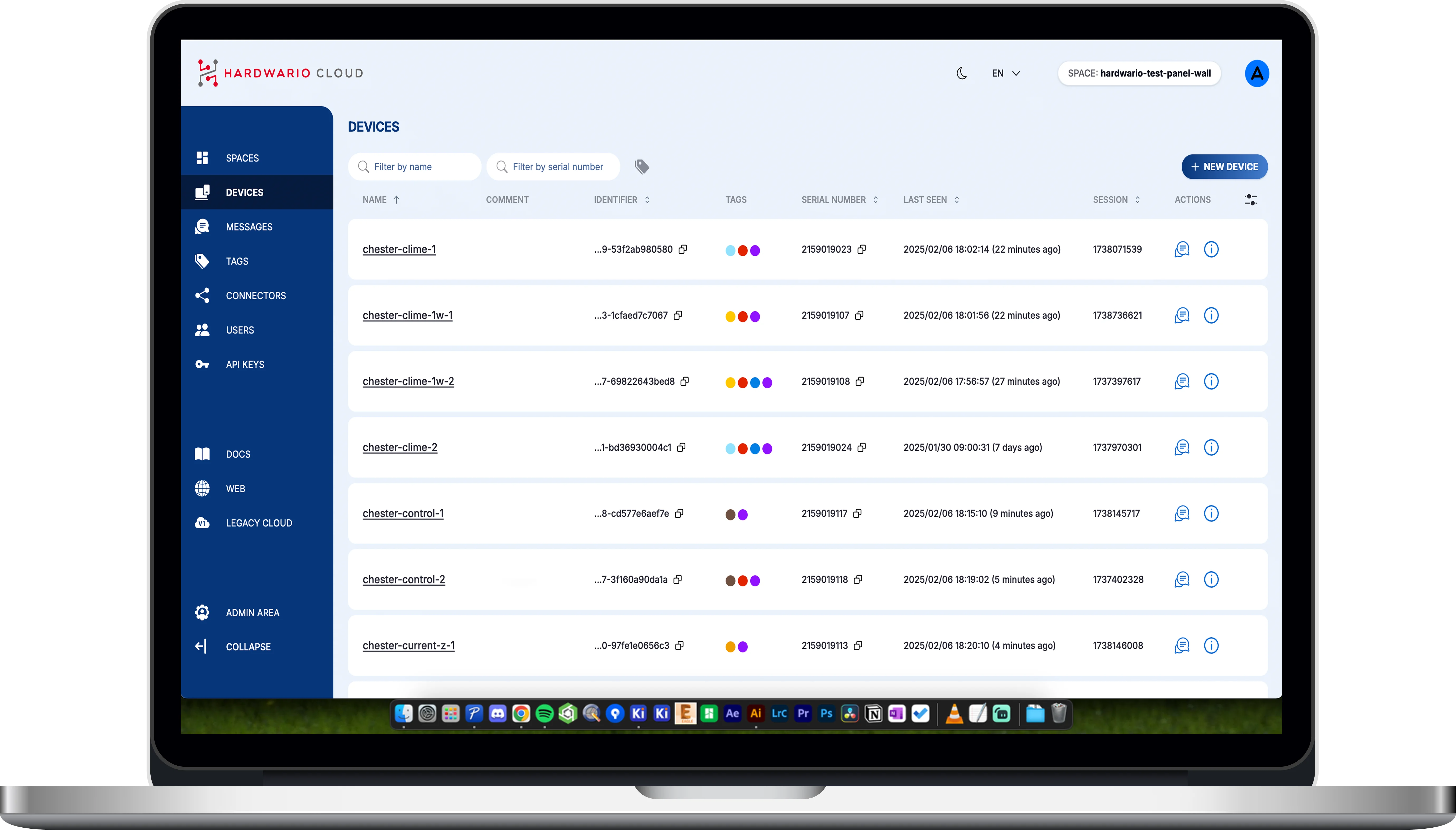
HARDWARIO Cloud handles secure message passing between your devices and systems, with REST API integration, firmware updates over the air (FOTA), and remote device shell.
Prove one customer workflow, then make it repeatable.
A typical scoped catalog pilot can target live data in 2-4 weeks. Custom sensing, firmware, or certification paths are scoped separately.
Risk and site mapping
Identify the first storage, livestock, irrigation, or weather risk; confirm access, power, connectivity, and alert recipients.
Pilot installation
Install sensors on a representative bin, barn, field, or tank and validate readings against current manual inspection routines.
Alert and integration setup
Configure thresholds, notifications, and dashboards in the partner-owned application, then forward its outputs into farm operations as required.
Seasonal rollout
Replicate the proven configuration across bins, barns, fields, or customer sites before the next critical season.
Buyer questions
Can the hardware work without grid power?
Yes. Agriculture deployments can use battery or solar-powered CHESTER configurations, depending on the sensor load and reporting interval.
What if the farm has no Wi-Fi?
The architecture can use LTE-M, NB-IoT, LoRaWAN, or private LoRaWAN with EMBER, so Wi-Fi is not required for remote monitoring.
Can farmers install the system themselves?
Some catalog configurations are suitable for simple field installation. The integrator still defines mounting, sensing, connectivity, commissioning, and support for the customer's environment.
Which use case should we pilot first?
Start where losses are most visible: grain storage temperature and humidity, barn climate, irrigation control, frost alerts, or water and tank monitoring.
Build Your Next Solution for Agriculture
Tell us about your customers and use case. We will help you pick the right configuration and get your first deployment running.
Send us a message Or call directly: +420 775 159 734